
1. Trim your weight to ease knee stress.
If you’re overweight, losing just 5 percent of your current weight can improve your arthritis symptoms.
Every pound lost takes 4 pounds of stress off your knees.
Shedding pounds isn’t easy, but a healthy weight will go a long way toward keeping you active.
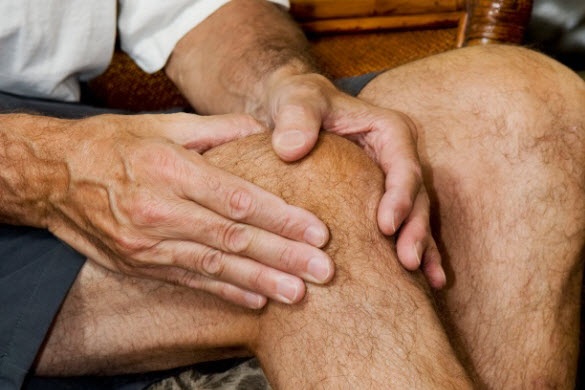
2. Exercise is one of the best treatments.
Low-impact aerobic exercise, such as walking, swimming, water aerobics, and cycling, relieves arthritis pain. Stretching aand strengthening your leg muscles helps, too.
Adding just a little activity to your day several times a week can make a difference in your symptoms.
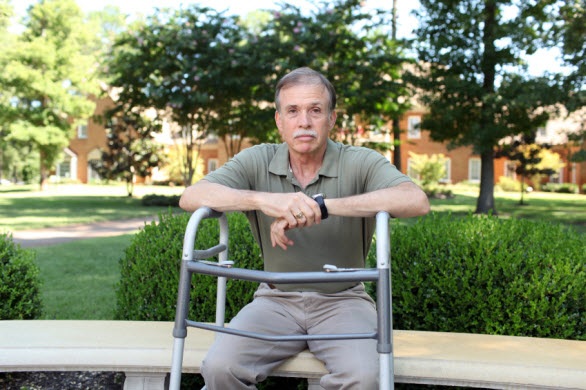

3. Medication combats pain and inflammation.
Acetaminophen, nonsteroidal anti-inflammatory drugs (NSAIDs), and topical creams and sprays are common therapies. Mild narcotic painkillers andinjections of drugs that tame inflammation or improve joint lubrication are sometimes used.
Which medication is best for you depends on the severity of your pain, your other health problems, and the other medicines you take.
 4. Non-drug and alternative therapies may be worth trying.
Physical therapy can improve joint function, while occupational therapy teaches you how to move smarter to minimizepain. Acupuncture, massage, and electrical stimulation of the nerves (transcutaneous electrical nerve stimulation, or TENS) improve symptoms for some people.
5. Self-care means less ouch.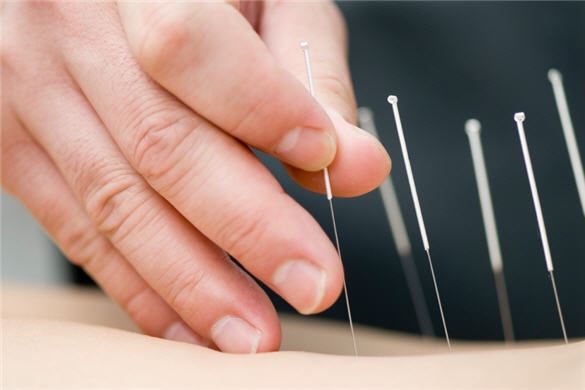
Pay attention to your body’s signals so you know when it’s time to slow down or rest.
A good night’s sleep and a healthy diet will help you cope better with your arthritis. When flare-ups occur, apply hot or cold packs or warm towels to your knee, or take a warm bath.
Cold lessens inflammation, while heat boosts circulation and eases pain and stiffness.

6. There are several surgical options.
In knee replacement surgery, the entire knee or part of the knee is replaced with metal or plastic parts. This major surgical procedure can decrease pain and swelling and improve movement when the knee is very damaged.
Removal of loose pieces of cartilage, smoothing of the knee’s bony surfaces, and realignment of the bones are other surgical procedures that can reduce pain and disability.