These include treatments for immune system conditions, hemorrhage and respiratory disorders, as well as blood transfusions and wound healing. Plasma donation is necessary to collect enough plasma for medical treatments.
Donate plasma is mainly a safe process, but there are side effects. Plasma is a component of your blood. To donate plasma, the blood is extracted from your body and processed through a machine that separates and collects the plasma. The other components of the blood, such as red blood cells, are returned to your body mixed with saline to replace the removed plasma.
Donating plasma can cause common but usually minor side effects, such as dehydration and fatigue. Serious side effects can also occur, although these are rare.
 Dehydration
Plasma contains a lot of water. For that reason, some people experience dehydration after donating plasma. Dehydration after donating plasma is usually not serious.

Dizziness, fainting and lightheadedness
Plasma is rich in nutrients and salts. These are important to keep the body alert and functioning properly. Losing some of these substances through plasma donation can lead to an electrolyte imbalance. This can cause dizziness, fainting and lightheadedness.
 Fatigue
Fatigue can occur if the body has low levels of nutrients and salts. Fatigue after plasma donation is another common side effect, but it is usually mild.
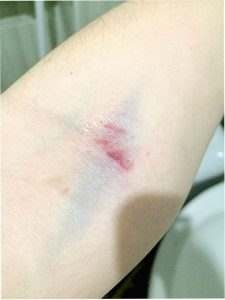
Bruises and discomfort
Bruising and discomfort are among the milder and more common side effects of plasma donation.
When the needle pierces the skin, you may experience a pinching sensation. You may also experience a sensation of deafness and twitching at the needle site as blood is drawn from your vein, into the tubing, and then into the machine that collects the plasma.
Bruises are formed when blood flows to the soft tissues. This can happen when a needle pierces a vein and a small amount of blood is filtered. For most people, the bruises disappear in days or weeks. But if you have a bleeding disorder, it may take longer.
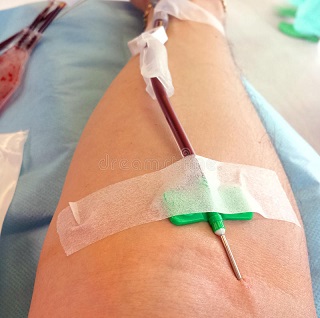 Infection
Every time a needle is used to pierce the skin, there is always a small risk of infection. Perforated cutaneous tissue allows bacteria from outside the body to enter. The needle can carry bacteria not only below the surface of the skin, but also inside a vein. This can lead to an infection at the injection site and in the surrounding body tissue or blood.
Signs of an infection include skin that feels hot and tender and looks red and swollen, with pain in and around the site of the injection. If you notice signs of infection, it is important to consult a doctor immediately to avoid complications.

Citrate reaction
A citrate reaction is a very serious but very rare side effect of plasma donation.
During a plasma donation, the technologist will infuse a substance known as an anticoagulant into the blood collected in the plasma separation machine before the blood returns to your body. This anticoagulant is intended to prevent the formation of blood clots. The plasma in the machine retains most of the citrate, but some will also enter the bloodstream.
In the body, citrate binds a small amount of calcium molecules for a short period of time. Because this effect is small and temporary, most people do not experience side effects from citrate. However, a small number of people who donate plasma experience what is called a “citrate reaction” because of the temporary loss of calcium.
 Signs of a citrate reaction include:
- numbness or tingling, especially on the lips, fingers, and toes
- sensation of vibrations throughout the body
- experiencing a metallic taste
- shaking chills
- stunning
- muscle spasms
- a fast or slow pulse
- difficulty breathing
If these symptoms are not treated, they can become more serious.

Severe symptoms include:
- spasms
- vomiting
- shock
- irregular pulse
- heart attack
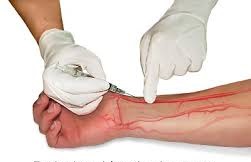 Arterial puncture
An arterial puncture is a very rare side effect that can occur each time a needle is used to touch a vein. During a plasma donation, a technician begins by inserting a needle into a vein in your arm. An arterial puncture can occur when the technician accidentally loses his vein and instead hits an artery. Because the arteries have a higher blood pressure than the veins, a puncture can cause bleeding in the tissues of the arm around the puncture site.
Signs of an arterial puncture include a faster blood flow and a lighter-than-normal blood color that runs through the tubes to the machine that collects the plasma. The needle and tubes used may appear to move or pulsate with increased blood flow. You may experience weak pain near your elbow.
If the needle accidentally hits an artery, the technician will remove it immediately and maintain the pressure at the needle insertion site for at least 10 minutes. Continuing to bleed from the needle insertion site after maintaining pressure is rare, but requires emergency medical attention.
 How to donate plasma safely
Be sure to visit an accredited center. Your donation center should guide you through a review process consisting of an initial blood test, completing a questionnaire and performing a physical examination. A red flag is if your donation center does not go through these processes. Check with the American Red Cross to find the accredited plasma donation center closest to you.
Control the frequency with which you donate. You can donate plasma every 28 days, up to 13 times per year. While the FDA allows donors to administer plasma more frequently, this is the best practice for safety, according to the American Red Cross. The whole process takes about an hour and 15 minutes.
Hydrate before your visit. Drink an additional 16 ounces of clear and non-alcoholic liquids (preferably water) before your donation. This can help prevent dizziness, fainting, lightheadedness and fatigue, some of the most common side effects associated with plasma donation.