
Most people don’t realize that they could have a heart attack without even knowing it. Although these are commonly referred to as “silent” heart attacks, a more accurate term may be “unrecognized” heart attack, says cardiologist Dr. David Morrow, director of the cardiac intensive care unit at Harvard-affiliated Brigham and Women’s Hospital.
“Some people do have symptoms, so in that sense, their heart attack is not silent. They just don’t recognize the sensations as coming from their heart,” he explains.
 The two most common problems people report are indigestion and muscle pain, when the real cause is actually reduced blood flow to the heart.
People may also experience atypical symptoms, such as nausea or excessive sweating during a heart attack (see “Heart attack symptoms”).
Raising awareness of unrecognized heart attacks is important, as new research published in JAMA Cardiology suggests that over the long term, these events are just as dangerous as recognizable heart attacks (see “Survival after an unrecognized heart attack”).
 But some people don’t have any clear-cut symptoms. That group potentially includes people with diabetes, who face a higher-than-average risk of heart attack in the first place, but who may have a diminished sense of pain because of nerve damage (neuropathy) that can occur with diabetes, says Dr. Morrow.
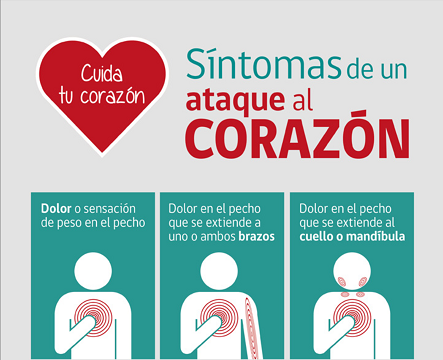 Heart attack symptoms
Although the most common sign of a heart attack in both men and women is the classic one — discomfort in the center of the chest that spreads through the upper body — this symptom doesn’t always occur.
Some people experience nonclassic symptoms, and these might be slightly more frequent in women and in older people.
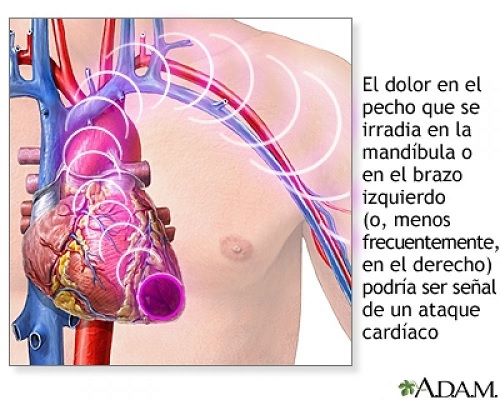 Classic symptoms
- Pressure, aching, or tightness in the center of the chest
- Pain or discomfort that radiates to the upper body, especially shoulders or neck and arms
- Sweating
 Nonclassic symptoms
- Shortness of breath
- Weakness
- Nausea or vomiting
- Dizziness
- Back or jaw pain
- Unexplained fatigue
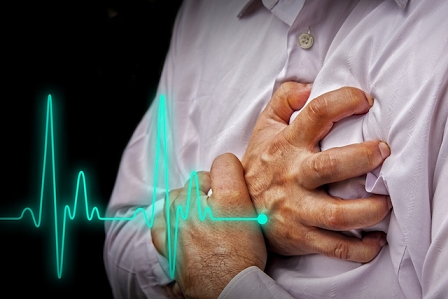 How long, how strong?
During a heart attack, the duration and intensity of symptoms can vary quite a bit. In general, there must be 15 to 30 minutes of reduced blood flow to result in a detectable heart attack (that is, part of the heart muscle becomes damaged or dies).
But sometimes symptoms come and go; these are known as stuttering symptoms. And the intensity doesn’t correlate with the size of the heart attack.
Some people have mild symptoms from a very large heart attack, while others have severe symptoms with a small heart attack, says Dr. Morrow.
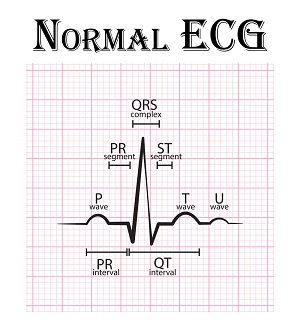
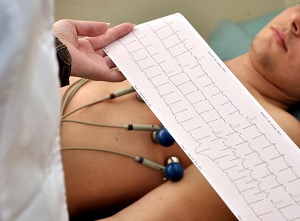 Silent heart attacks are usually discovered on an electrocardiogram (ECG), which is a recording of the heart’s electrical activity.
Damage to the heart’s muscle caused by a heart attack shows up as a distinct signature on an ECG.
The cardiac MRI tests done for the recent JAMA Cardiology study can reveal heart damage, but they are too costly for routine screening.
ECGs are quick and inexpensive, but they can miss a prior unrecognized heart attack or produce false positives, meaning they find evidence of a heart attack when there actually wasn’t one.
 As a result, ECGs are not recommended for routine screening for people with an average risk of a heart attack who don’t have symptoms.
However, an ECG and other testing is appropriate for people with symptoms that suggest a heart attack, even if the cause is unclear.
“I’d much rather have people get evaluated and it turn out to be nothing serious than not be evaluated and weather a heart attack at home,” says Dr. Morrow.