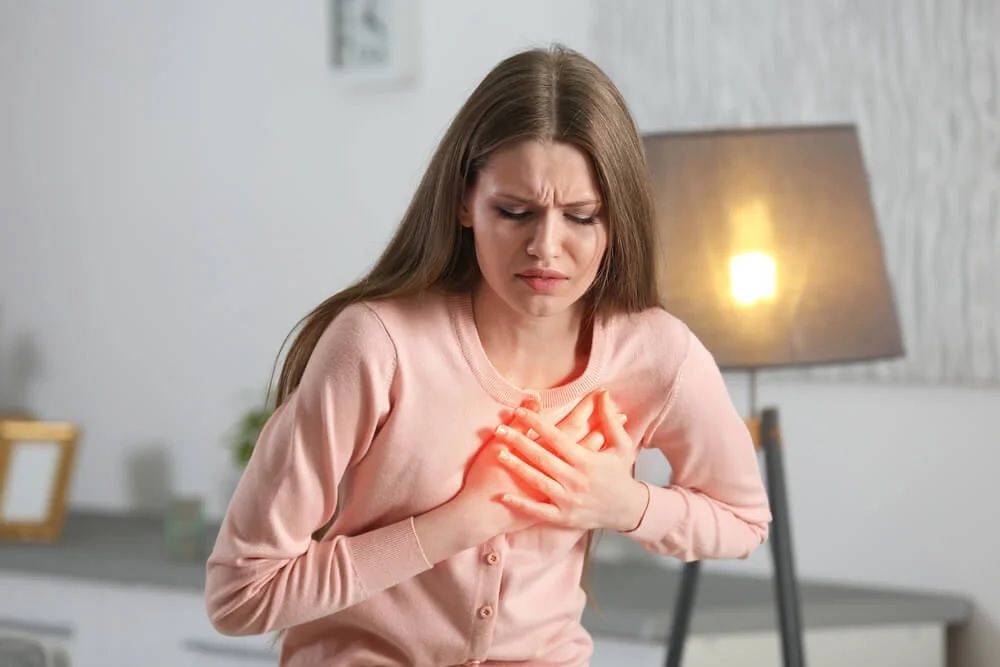
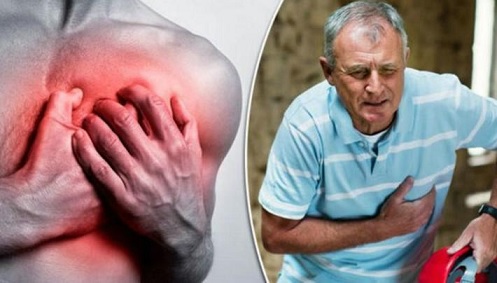
“No two heart attacks are the same, nor do they strike in similar fashion,” says Dr. Krishna Aragam, a cardiologist with Harvard-affiliated Massachusetts General Hospital. “Some heart attacks are subtler in their warnings, but can be just as serious and even deadly if they are not attended to.”
Know the two types
There are two basic types of heart attacks men can experience. Both involve the buildup of fatty deposits called plaques in one or more of the coronary arteries, which supply blood to the heart muscle.
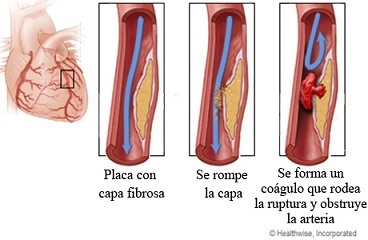 Type 1: A heart attack occurs when a plaque ruptures, causing a blood clot to form. The clot blocks the artery, cutting off blood flow to part of the heart.
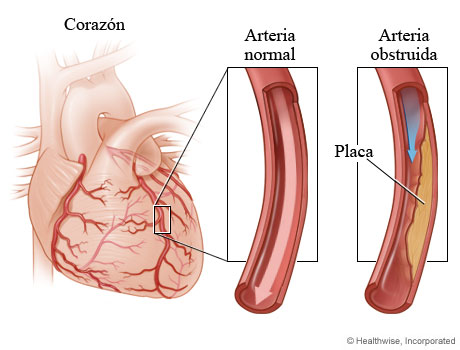 Type 2: A heart attack happens when plaque buildup itself severely restricts blood flow to your heart but does not block it entirely.
One main difference between type 1 and type 2 is how you experience symptoms, says Dr. Aragam. With type 1, the blockage from a blood clot happens suddenly, so the heart attack feels like it comes out of the blue.
“You may feel fine, but then suddenly have heart attack symptoms.
In comparison, type 2 symptoms can occur when there is longstanding coronary artery narrowing (usually 80% or more) but no plaque rupture.
When symptoms do occur, they are often subtle or don’t last long, and many men simply brush them aside.
 For instance, you may experience mild pressure on your chest or heartburn sensations, dizziness, shortness of breath, and sudden fatigue.
While both types of heart attacks are serious, type 2 may be the deadlier of the two. Study of more than 3,700 people in The American Journal of Medicine found that about 50% of people who experience type 2 heart attacks die within two years, compared with only 26% of those who have a type 1 attack.
The main reason is that people who experience type 1 heart attacks often get immediate medical attention and receive either medication to break up the clot or a stent to open the blockage.
“In comparison, type 2 symptoms often don’t feel severe, so many men just ignore them, and don’t seek the medical care they need,” says Dr. Aragam.
 The stress of attacks
The risk for having a type 2 heart attack goes up when stress places more demand on your heart.
“The traffic jam is your heart demanding more and more blood, but it can’t get enough through the very narrow artery,” says Dr. Aragam. And the longer the demand goes on, the more intense the symptoms you can experience and the greater the risk for more damage to the heart.”
 This demand tends to rise during bouts of physical or emotional stress, like when you are sick, hear sad news, or get overly excited. Prolonged stress tends to worsen heart disease and increase your risk for both types of heart attacks.
Demand on the heart also rises when you experience “good” stress, such as during exercise.
 Look for warning signs
The takeaway here is that you should be aware of the type 2 signs so you can seek medical treatment if they occur. Always be mindful about any new physical changes, no matter how innocent they may feel, suggests Dr. Aragam.
“For instance, if you sometimes get dizzy when you quickly stand, that’s not likely to be an issue. But if the episodes are more frequent, take longer to go away, or happen in new scenarios, then you should see your doctor immediately.”
 The same goes with any chest discomfort, heartburn feeling, and bouts of fatigue and shortness of breath when you are ill or during any kind of exertion.
“Never chalk up these symptoms to old age, and don’t be shy about sharing any concerns with your doctor,” says Dr. Aragam. “Your body is sending a warning, so make sure to listen.”